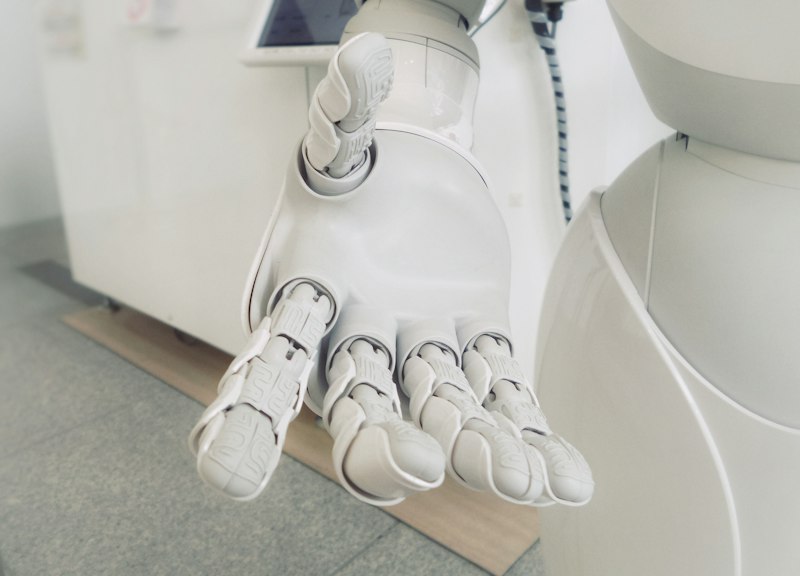
AI and Technology Industry Updates: Navigating the New Frontier
In a world where technology evolves at lightning speed, the artificial intelligence (AI) sector stands at the forefront of transformative change. As AI systems become more integrated into various facets of daily life, the technology industry is experiencing a paradigm shift that affects everything from labor markets to ethical standards. This article delves into the latest developments in AI, offering a comprehensive analysis of the opportunities and challenges that lie ahead.
The Rise of Generative AI: Redefining Creativity and Productivity
Generative AI has become a focal point of innovation, with applications ranging from content creation to sophisticated data analysis. In recent months, tech giants like OpenAI and Google have released new versions of their language models, which promise to enhance productivity and creativity. These systems are not only capable of generating text but also creating art, composing music, and even drafting legal documents.
However, this surge in capability raises critical questions about the future of creative professions.
“As AI systems become more adept at tasks traditionally performed by humans, there is a pressing need to reconsider what value and originality mean in a digital age,”said Dr. Anya Patel, a leading AI ethics researcher. The industry must balance innovation with ethical considerations to ensure that AI augments human creativity rather than replaces it.
AI in Healthcare: Promises and Pitfalls
The healthcare sector is witnessing a profound transformation with the integration of AI technologies. AI-driven diagnostic tools, personalized medicine, and robotic surgery are just some of the advancements reshaping patient care. Recent studies have shown that AI can significantly enhance diagnostic accuracy and reduce the time needed for treatment planning.
Despite these benefits, there are concerns about data privacy and algorithmic bias. Patients' sensitive health data must be protected, and AI systems must be trained on diverse datasets to avoid perpetuating existing healthcare disparities. The potential for AI to revolutionize healthcare is immense, but it requires rigorous oversight and ethical stewardship.
Workplace Automation: The Future of Jobs
AI-driven automation is altering the landscape of employment across various industries. While some fear that automation will lead to massive job displacement, others argue that it creates opportunities for new types of work. According to a recent report by the World Economic Forum, AI and automation could potentially create 97 million new jobs by 2025, even as they displace 85 million existing roles.
The key challenge lies in ensuring that workers are equipped with the skills necessary to thrive in an AI-enhanced job market. Governments, educational institutions, and corporations must collaborate to provide robust retraining programs and support lifelong learning initiatives.
Ethical AI: Navigating the Moral Maze
As AI systems become more powerful and pervasive, the ethical implications of their deployment cannot be ignored. Issues such as algorithmic bias, surveillance, and the ethical use of AI in warfare are at the forefront of public discourse. The European Union, for instance, has been proactive in drafting comprehensive AI regulations aimed at protecting citizens' rights and ensuring transparency.
“The ethical deployment of AI is not just a technological issue; it's a societal one. We must ensure that AI systems are designed and used in ways that reflect our shared values and uphold human dignity,”emphasized Professor Emily Chen, an expert in technology policy.
Conclusion: A Balanced Path Forward
The rapid evolution of AI presents both exciting opportunities and significant challenges. As the technology industry continues to innovate, it is imperative to maintain a balance between technological advancement and ethical responsibility. By fostering an inclusive and equitable approach, we can harness the power of AI to enhance human potential while safeguarding the values that define our humanity. The path forward requires a collective effort from policymakers, technologists, and society at large to ensure that AI serves as a force for good in an increasingly complex world.
About the Author
Aaron India explores how artificial intelligence reshapes what it means to be human — and what we must protect in the process.