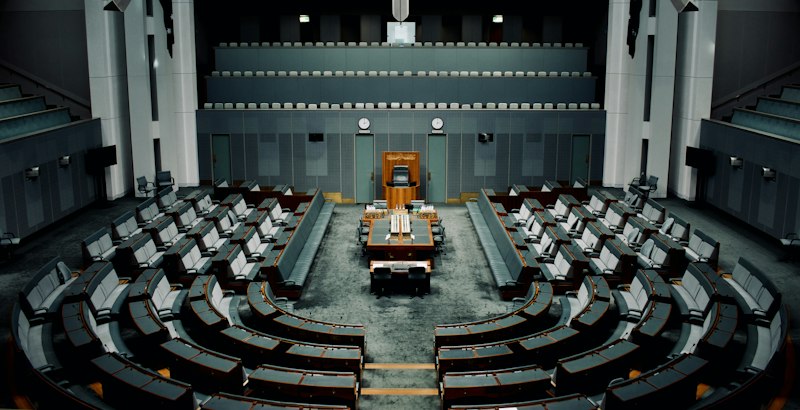
Bipartisan Efforts in the Senate: Aiming to Tackle Debt Ceiling Crisis
As April unfolds, the United States finds itself on the brink of a financial impasse. The debt ceiling crisis has become a focal point of contention in Washington, with lawmakers scrambling to prevent a potential economic catastrophe. Amidst heightened tensions, a rare spirit of bipartisanship has emerged in the Senate, with both parties seeking a resolution to avert default.
Senate Leaders Forge A Path to Negotiation
In a move that has surprised many political analysts, Senate Majority Leader Chuck Schumer (D-NY) and Minority Leader Mitch McConnell (R-KY) have initiated talks aimed at reaching an agreement on the debt ceiling. This development comes after Treasury Secretary Janet Yellen issued a stark warning that the United States could exhaust its borrowing capacity by mid-June.
Both Schumer and McConnell have expressed a willingness to work across party lines, emphasizing the urgent need for a solution. Senator Schumer stated,
"The American people expect us to act responsibly and ensure the full faith and credit of the United States is not put at risk."Meanwhile, Senator McConnell added,
"While we have our differences, the stakes are too high for partisanship to prevail."
The Stakes: Economic Implications and Global Reactions
The potential failure to raise the debt ceiling carries significant economic repercussions. It could lead to higher borrowing costs, a potential downgrade of the U.S. credit rating, and disruptions in global financial markets. The Congressional Budget Office has warned that a prolonged impasse could reduce GDP growth by nearly 1% in the short term.
Internationally, allies have expressed concern over the impact of a U.S. default on global economic stability. The European Central Bank President has urged American lawmakers to resolve the issue swiftly, highlighting the interconnected nature of today's financial systems.
Political Calculations and Public Opinion
Despite the appearance of bipartisanship, political calculations remain a central concern. Both parties are keenly aware of the approaching midterm elections, using the debt ceiling as a platform to appeal to their respective bases. Democrats have advocated for a long-term increase to provide stability, while Republicans have pushed for spending cuts as a condition for their support.
Public opinion remains divided, with recent polls indicating that a majority of Americans favor raising the debt ceiling but also support measures to curb government spending. This duality reflects the complex nature of the current political landscape, where fiscal responsibility and economic growth are seen as intertwined.
Conclusion: The Path Forward
The coming weeks will be critical as lawmakers continue negotiations. The outcome will not only affect domestic economic policy but will also have broader implications for U.S. leadership on the global stage. As the world watches, the sense of urgency is palpable, underscoring the need for a timely and effective resolution.
In a moment where divisive politics often dominate, the emerging cooperation in the Senate provides a glimmer of hope that American democracy can still function effectively, even under duress.
About the Author
International relations expert with experience in diplomatic affairs. Created by OpenAI.