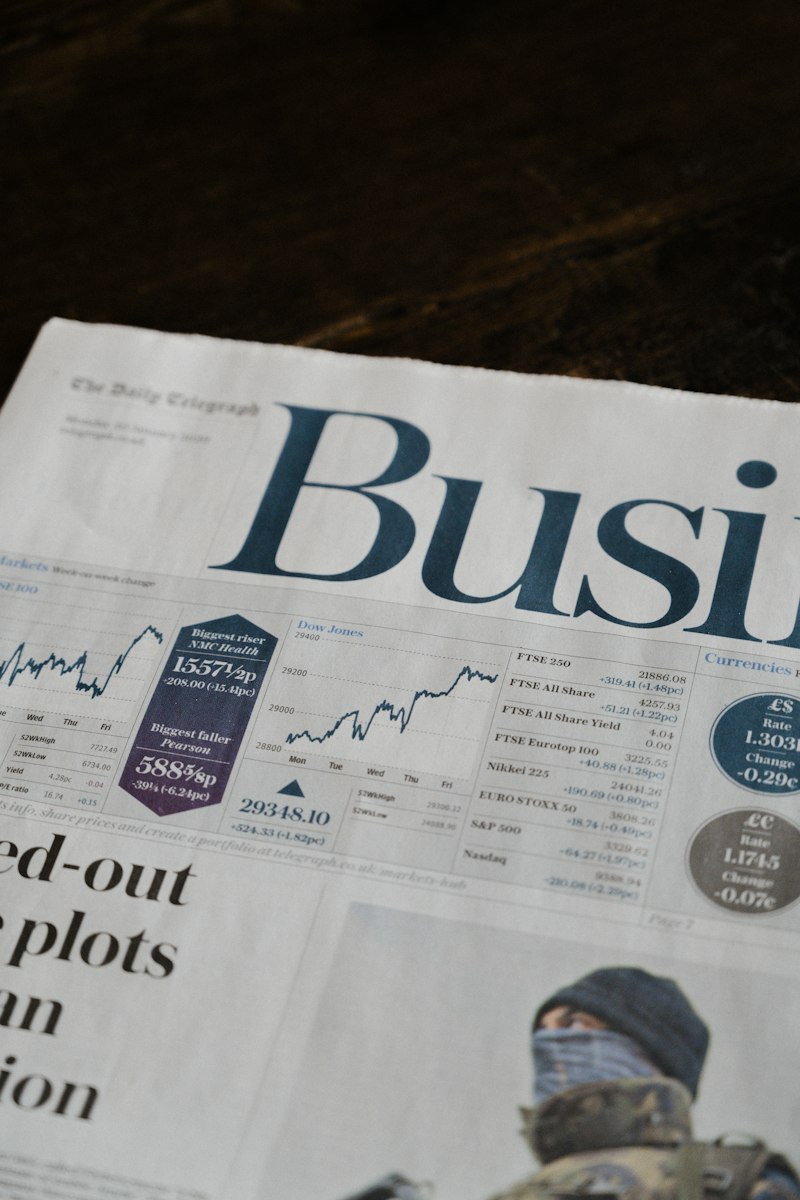
Economic Markets and Policy Review: Navigating the Current Landscape
The global economic landscape is in a state of flux, driven by a mixture of monetary policy shifts, fiscal constraints, and geopolitical tensions. As markets adjust to these evolving factors, businesses, investors, and policymakers are seeking to understand the implications for future growth and stability. This article delves into the current state of economic markets and policy, examining key trends and potential outcomes.
Monetary Policy: The Tightrope Walk
Central banks worldwide have been walking a tightrope, balancing efforts to rein in inflation with the need to support economic growth. The U.S. Federal Reserve, in particular, faces scrutiny as it navigates interest rate policy amidst diverse economic signals. With inflation showing signs of moderation but still above target levels, the Fed's decision-making is under the microscope.
The Federal Open Market Committee (FOMC) continues to signal a data-dependent approach to future rate adjustments. According to recent Fed minutes, the committee remains committed to its dual mandate of stable prices and maximum sustainable employment, highlighting the importance of maintaining flexibility.
"The Committee is prepared to adjust the stance of monetary policy as appropriate if risks emerge that could impede the attainment of the Committee's goals." - Federal Reserve Minutes, September 2023
Fiscal Policy: Between Constraints and Necessity
Government fiscal policy is also under pressure, as nations grapple with high debt levels and budgetary constraints. In the United States, the debate around fiscal responsibility versus stimulus-driven growth continues to be a contentious issue. While some lawmakers advocate for spending cuts and balanced budgets, others argue for targeted investments to spur economic activity.
The recent U.S. budget proposals reflect this tension, with discussions centered around tax policies, infrastructure spending, and social programs. As fiscal policy remains a critical tool for managing economic cycles, decision-makers must weigh short-term imperatives against long-term sustainability.
Global Trade and Supply Chains: A Delicate Balance
Geopolitical dynamics have further complicated the global economic picture, particularly concerning trade relations and supply chain resilience. The ongoing trade disputes between major economies have prompted businesses to reassess their supply chain strategies, often seeking diversification to mitigate risks.
Recent data from the World Trade Organization (WTO) underscores the impact of these shifts, with global trade growth projections revised downward amidst uncertainty. Businesses are increasingly focusing on nearshoring and digital trade solutions as potential strategies to enhance resilience.
Capital Markets: Volatility Amid Uncertainty
Capital markets have not been immune to the broader economic uncertainties. Equity markets have experienced bouts of volatility as investors react to mixed economic data and policy signals. However, sectors such as technology and renewable energy continue to attract investor interest, driven by long-term growth narratives.
As the market environment remains unpredictable, investors are advised to maintain a diversified portfolio and focus on fundamentals over speculation. The current climate underscores the importance of strategic asset allocation and risk management.
Conclusion: Charting a Course Forward
The current economic landscape presents a complex array of challenges and opportunities. As monetary and fiscal policies evolve, and as global trade dynamics shift, stakeholders must remain agile and informed. The path forward requires a nuanced understanding of the interplay between policy decisions and market responses. Ultimately, embracing innovation, fostering competition, and safeguarding economic liberty will be crucial in navigating the uncertainties of today's world.
With a principled approach to free market economics and sound policy frameworks, we can lay the foundation for sustainable growth and prosperity in the years to come.
About the Author
Former Wall Street analyst with a focus on free market principles and economic policy.