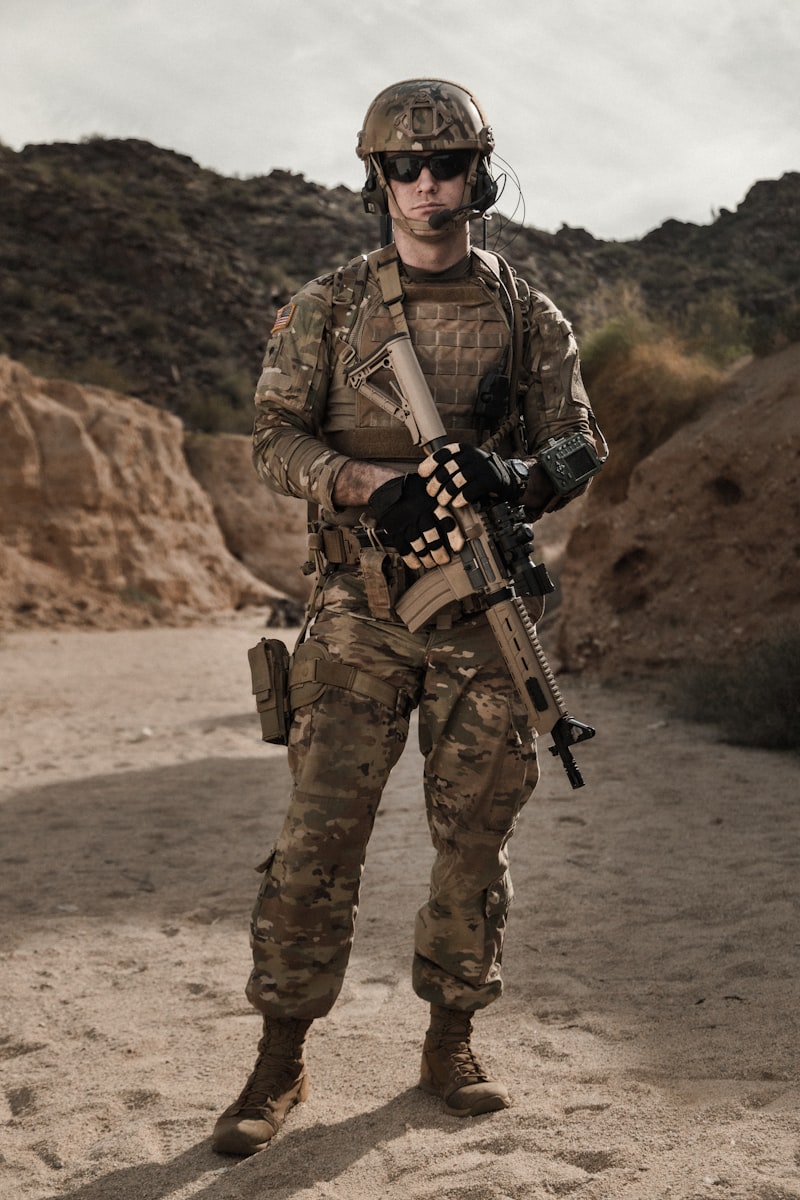
Iran's Supreme Leader Orders Military Readiness as Ceasefire with Gulf Coalition Crumbles
In a dramatic escalation of regional tensions, Iran's Supreme Leader, Mojtaba Khamenei, has directed the Iranian military to elevate its readiness levels following the collapse of a ceasefire agreement with the Gulf Coalition. This development marks a significant deterioration in Middle Eastern stability, raising concerns over potential conflicts that could draw in global powers.
Ceasefire Breakdown: A Fragile Peace Shattered
The ceasefire, brokered just a few months ago, was intended to halt hostilities between Iran and a coalition of Gulf nations led by Saudi Arabia and the United Arab Emirates. Despite initial optimism, the agreement unraveled due to a series of mutual accusations and border skirmishes, with both sides blaming the other for undermining peace efforts.
According to regional analysts, the breakdown of the ceasefire reflects deep-seated mistrust and unresolved geopolitical rivalries. The Gulf Coalition has long accused Iran of supporting proxy militias across the region, while Tehran views the coalition's military presence as a direct threat to its sovereignty.
Khamenei's Directive: Preparing for Escalation
In response to the ceasefire's collapse, Supreme Leader Mojtaba Khamenei issued a directive to Iran's armed forces, urging them to prepare for potential escalation. In a televised address, Khamenei emphasized the importance of military vigilance, stating:
"The security of our nation is paramount. Our forces must be ready to defend our sovereignty against any aggression."
This directive entails increased military drills, strategic repositioning of forces, and heightened alert levels across Iran's defense apparatus. The Iranian Revolutionary Guard Corps (IRGC), a key player in the nation's military strategy, has reportedly mobilized units to fortify positions along strategic border areas.
Global Reactions: A Call for Diplomacy
The international community has expressed concern over the recent developments. The United Nations has urged both parties to return to the negotiating table, emphasizing the need for dialogue over confrontation. Western powers, including the United States and European Union, have called for restraint and underscored their commitment to maintaining regional stability.
Meanwhile, Russia and China, both of which maintain strategic ties with Iran, have issued statements supporting Iran's right to self-defense, while also advocating for peaceful resolution of the conflict. These diplomatic dynamics underscore the broader geopolitical stakes involved in the region.
Analysis: Strategic Implications and Future Outlook
The collapse of the ceasefire and subsequent military preparations by Iran highlight the intricate web of alliances and enmities that characterize the Middle East's strategic landscape. The potential for military conflict poses significant risks not only to regional stability but also to global energy markets, given the critical role of the Gulf in oil production and supply.
- Military Readiness: Iran's focus on military preparedness signals its determination to assert its regional influence and counter perceived threats.
- Regional Alliances: The Gulf Coalition's alignment with Western powers contrasts sharply with Iran's partnerships with Russia and China, illustrating the polarized nature of the current geopolitical environment.
- Potential for Escalation: Without renewed diplomatic efforts, the risk of escalation remains high, with potential spillover effects impacting adjacent regions.
Conclusion: Navigating a Volatile Geopolitical Landscape
As Iran's Supreme Leader calls for increased military readiness, the specter of conflict looms large over the Middle East. The international community faces a critical juncture; the need for effective diplomacy and strategic engagement has never been more urgent. For the Gulf region, the path forward requires balancing deterrence with dialogue to avert a crisis with far-reaching consequences.
About the Author
Former military strategist focusing on national security and defense policy.