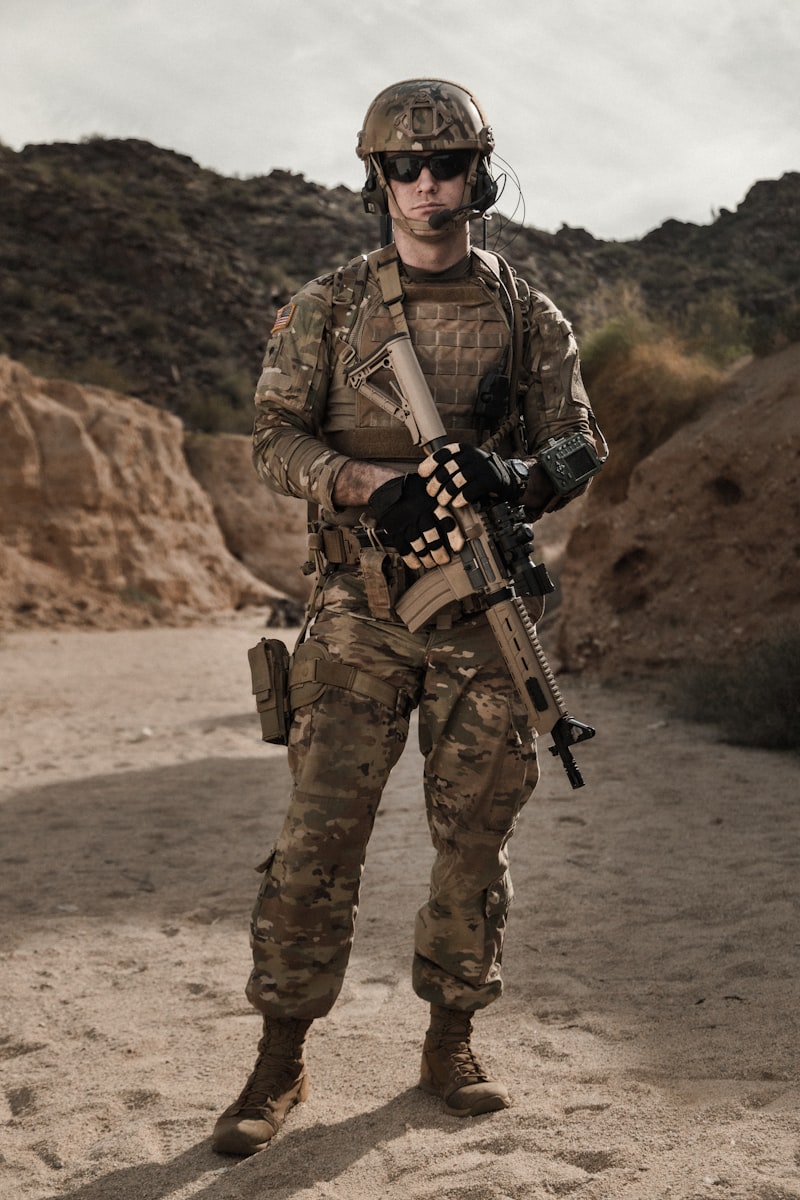
US Launches Self-Defense Strikes in Iran Amid Ongoing Peace Talks
In a dramatic turn of events, the United States has conducted self-defense strikes on Iranian soil, targeting militant infrastructures. This action underscores rising tensions, even as diplomatic efforts to revive the nuclear accord continue in Vienna. The strikes mark a significant escalation in military activities and pose critical questions regarding the balance between diplomacy and defense.
Details of the Strikes
Late on May 26, 2026, the Pentagon confirmed that U.S. forces launched precision strikes against facilities used by Iranian-backed militias. These militias have been implicated in recent attacks on U.S. personnel in the region. According to defense officials, the strikes were a direct response to an unprovoked rocket attack on a U.S. base in Iraq that injured several American soldiers.
The Pentagon's official statement emphasized the necessity of these actions, declaring, "The United States will take all necessary measures to protect our forces and interests in the region." The strikes were reportedly conducted using advanced drone technology and precision-guided munitions, reflecting the U.S. military's commitment to limiting collateral damage while achieving strategic objectives.
Diplomatic Efforts and Challenges
Simultaneously, peace negotiations aimed at restoring the Joint Comprehensive Plan of Action (JCPOA) are ongoing in Vienna. The talks, which include representatives from the U.S., Iran, and other world powers, are at a critical juncture. The recent military developments have cast a shadow over these discussions, with diplomats expressing concern about the potential derailment of progress.
Iran has condemned the U.S. strikes as a violation of its sovereignty and vowed to take "appropriate retaliatory measures" if necessary. Iranian Foreign Minister Hossein Amir-Abdollahian stated,
"While we remain committed to diplomacy, we will not allow our security to be compromised by foreign powers."
Strategic Implications
The U.S. decision to engage in self-defense strikes highlights the delicate balance Washington seeks to maintain between demonstrating military readiness and pursuing diplomatic solutions. Analysts from the Center for Strategic and International Studies (CSIS) note that these actions serve as a signal to Tehran that the U.S. will not tolerate aggression against its forces, even amidst ongoing negotiations.
Moreover, the strikes underscore the broader geopolitical stakes in the Middle East, where power dynamics are in flux. With Russia's influence waning due to its prolonged involvement in Ukraine, and China's growing interest in Middle Eastern energy resources, the U.S. is keen to reaffirm its strategic commitments to regional allies.
Conclusion
As the situation unfolds, the world watches closely to see how Iran will respond and what implications this will have for the peace talks in Vienna. The U.S. remains steadfast in its dual approach of defense and diplomacy, underscoring the complexities of modern international relations. As both sides navigate this precarious moment, the outcome will likely have lasting impacts on regional stability and global security.
About the Author
Former military strategist focusing on national security and defense policy.