US Senate Votes to Halt Military Action Against Iran Amid Controversial Nuclear Negotiations
In a closely divided decision, the United States Senate voted 50-48 to halt military action against Iran, marking a pivotal moment in the tense relations between the two nations. The vote comes amidst a 60-day timeline set for a comprehensive nuclear deal, signed last week by former President Donald Trump and Iranian President Masoud Pezeshkian. The resolution, which previously passed the House, reflects a complex geopolitical landscape shaped by ongoing negotiations and conflicts.
Background: A Path to Diplomacy
On June 17, 2026, Trump and Pezeshkian signed a memorandum of understanding outlining a pathway to a nuclear deal. This agreement aims to address key issues, including the cessation of hostilities in Lebanon, easing restrictions on the Strait of Hormuz, and sanctions relief, while also proposing a reconstruction and development plan for Iran. The memorandum has been heralded as a potential breakthrough in thawing fraught US-Iran relations.
However, the diplomatic effort is not without its complications. Despite Trump’s claims that Iran has agreed to the highest level of nuclear inspections, discrepancies have emerged. Iranian Foreign Ministry spokesman Esmaeil Baghaei has stated that Iran has made no new commitments regarding inspections, highlighting ongoing mistrust and ambiguity within the negotiations.
Strait of Hormuz: A Strategic Waterway
The Strait of Hormuz, a critical chokepoint for global oil shipments, has been a focal point in the discussions. The US and Iran have agreed to ensure safe passage for ships and have established a telephone hotline to facilitate communication. Notably, Kpler reported that 39 ships passed through the strait on Monday, a significant increase since the start of Operation Epic Fury, though still less than pre-war levels of approximately 110 ships per day.
Complicating matters, Iran briefly reclosed the strait amid ongoing conflict between Israel and Hezbollah in Lebanon, underscoring the volatile nature of the region and its impact on global trade and security.
Economic Repercussions and Sanctions Relief
The geopolitical tensions have also influenced global oil markets. Brent crude prices have risen from approximately $69 to $74 per barrel in recent days. In a bid to stabilize the situation, the United States has temporarily lifted sanctions on Iranian oil sales, a move confirmed by Treasury Secretary Scott Bessent. Additionally, Iran has seen some of its frozen assets released, providing a much-needed economic boost amid ongoing negotiations.
Foreign Minister Abbas Araghchi acknowledged the waiver of oil sanctions, emphasizing the significance of these economic measures as part of the broader diplomatic efforts.
Senate Vote: A Legislative Check on Military Action
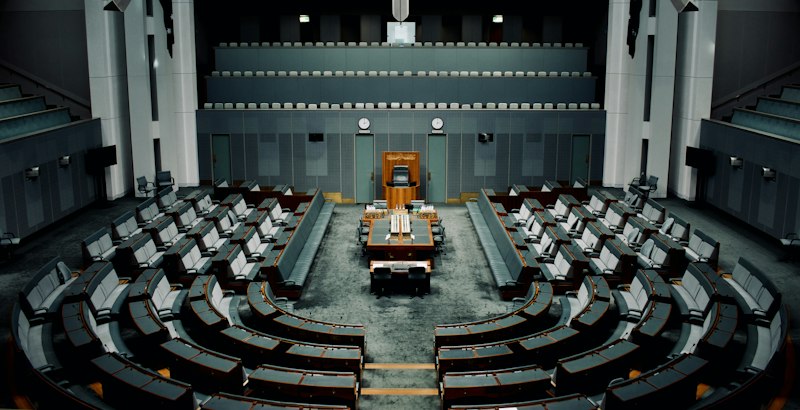
The Senate's vote to halt military action against Iran reflects a critical legislative stance in shaping US foreign policy. With a narrow Republican majority, the 50-48 vote underscores the contentious nature of military engagement decisions in an era of renewed diplomatic efforts.
"The Senate's resolution is a testament to the power of diplomacy over conflict," stated a senior Democratic senator, emphasizing the importance of legislative oversight in foreign policy.
This resolution aligns with the broader diplomatic framework set by the Trump-Pezeshkian memorandum, signaling a preference for negotiations over military intervention.
Conclusion: Navigating Uncharted Waters
As the 60-day timeline for a nuclear deal unfolds, the international community watches closely. The Senate's decision to halt military action is a significant move towards diplomacy, yet the path forward remains fraught with challenges. Discrepancies over nuclear inspections and the strategic significance of the Strait of Hormuz continue to test the resolve of both nations.
Ultimately, the success of these negotiations will hinge on sustained diplomatic engagement, transparency, and a commitment to peace over conflict. The coming weeks will be crucial in determining whether this fragile peace can be maintained and transformed into a lasting resolution.
About the Author
Aaron India explores how artificial intelligence reshapes what it means to be human — and what we must protect in the process.