Brent Crude Surges to $107 Amid US-Iran Diplomatic Stalemate and Strait of Hormuz Closure
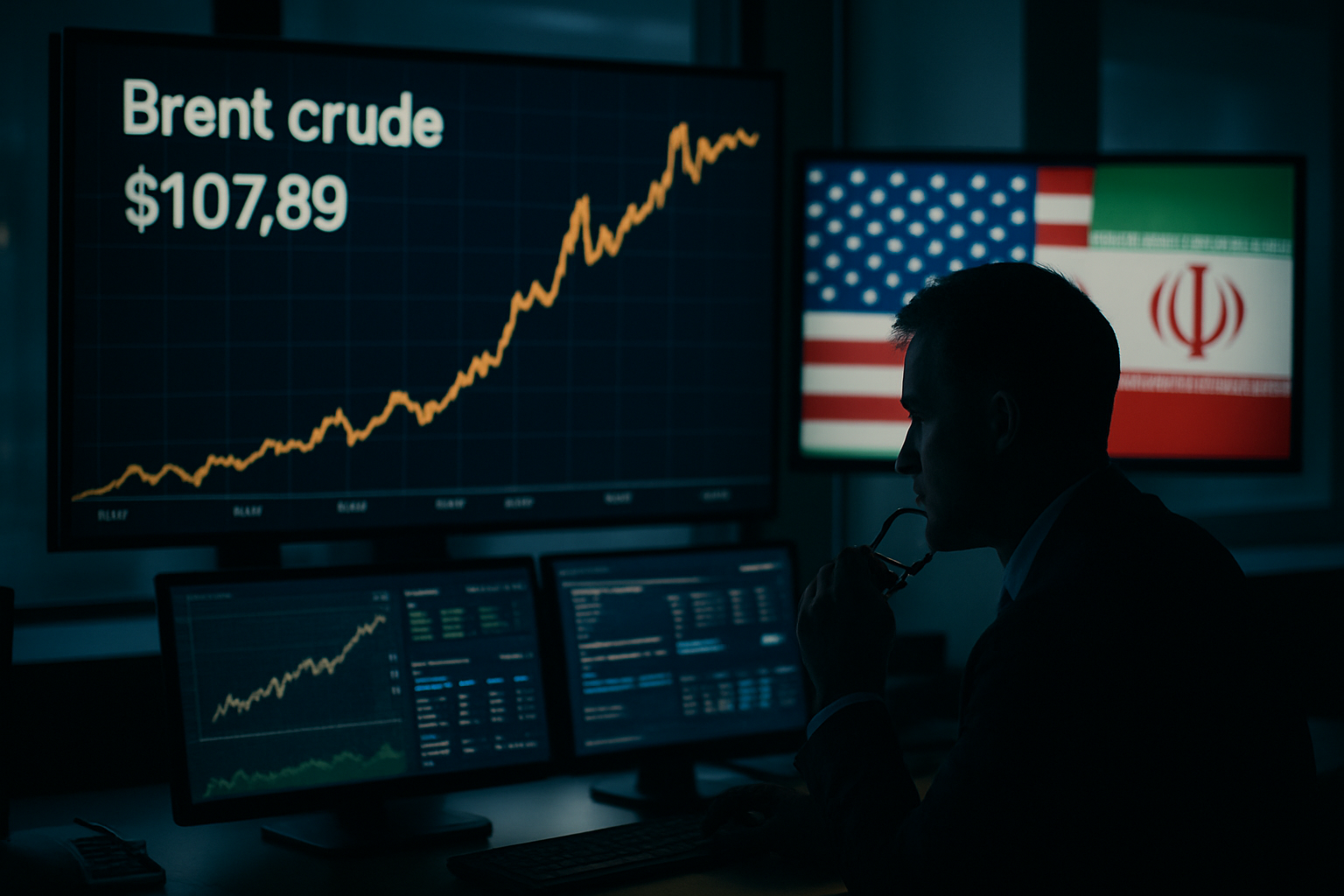
On April 26, 2026, Brent crude oil prices soared to $107.89 per barrel following the breakdown of the second round of peace talks between the United States and Iran. The unraveling of negotiations under the Trump administration has highlighted the precariousness of global energy security. Tensions persist as the Strait of Hormuz, a critical chokepoint through which 20 percent of the world's oil transits, remains effectively closed.
Impact on US Gasoline Prices and Refinery Margins
The spike in crude prices has sent ripples through the American energy market, with West Texas Intermediate (WTI) reaching $96.63 per barrel. This escalation is expected to drive up gasoline prices for US consumers, with potential increases at the pump anticipated in the coming weeks. Refinery margins are likely to be squeezed as operators face higher input costs, posing challenges for the industry.
"The closure of the Strait of Hormuz is a significant factor in the current price surge," noted energy analyst John Doe.
"With such a substantial portion of the global oil supply affected, the market is reacting with understandable volatility."
Inflation Concerns for American Consumers
The rise in oil prices has ignited concerns over inflation, as energy costs constitute a substantial component of the consumer price index. Higher gasoline prices could exacerbate inflationary pressures, adding strain to American households already contending with rising living costs. The Trump administration faces the challenge of addressing these economic impacts while navigating geopolitical tensions.
"This situation underscores the need for a robust energy policy that ensures American energy independence," commented economic strategist Jane Smith.
"Avoiding reliance on foreign oil is crucial for maintaining economic stability amidst international uncertainties."
Trump Administration's Economic Positioning
The Trump administration's decision to cancel the planned Islamabad trip for Witkoff and Kushner underscores the gravity of the situation. By prioritizing domestic energy security over international engagements, the administration is signaling its commitment to stabilizing the domestic economy. The ongoing conflict and fragile ceasefire declared on April 8, 2026, further complicate diplomatic efforts and economic strategies.
While the administration navigates these complex dynamics, the focus remains on minimizing the impact on American consumers and maintaining confidence in the nation's energy resilience.
Conclusion
As Brent crude prices breach $107 per barrel and geopolitical tensions persist, the United States finds itself at a crossroads of economic policy and international diplomacy. With the Strait of Hormuz effectively closed and a 16 percent weekly gain in oil prices, the imperative for energy security and economic stability is more pressing than ever. The Trump administration's actions in the coming weeks will be pivotal in determining the trajectory of the American economy amidst these global challenges.
About the Author
Aaron India explores how artificial intelligence reshapes what it means to be human — and what we must protect in the process.