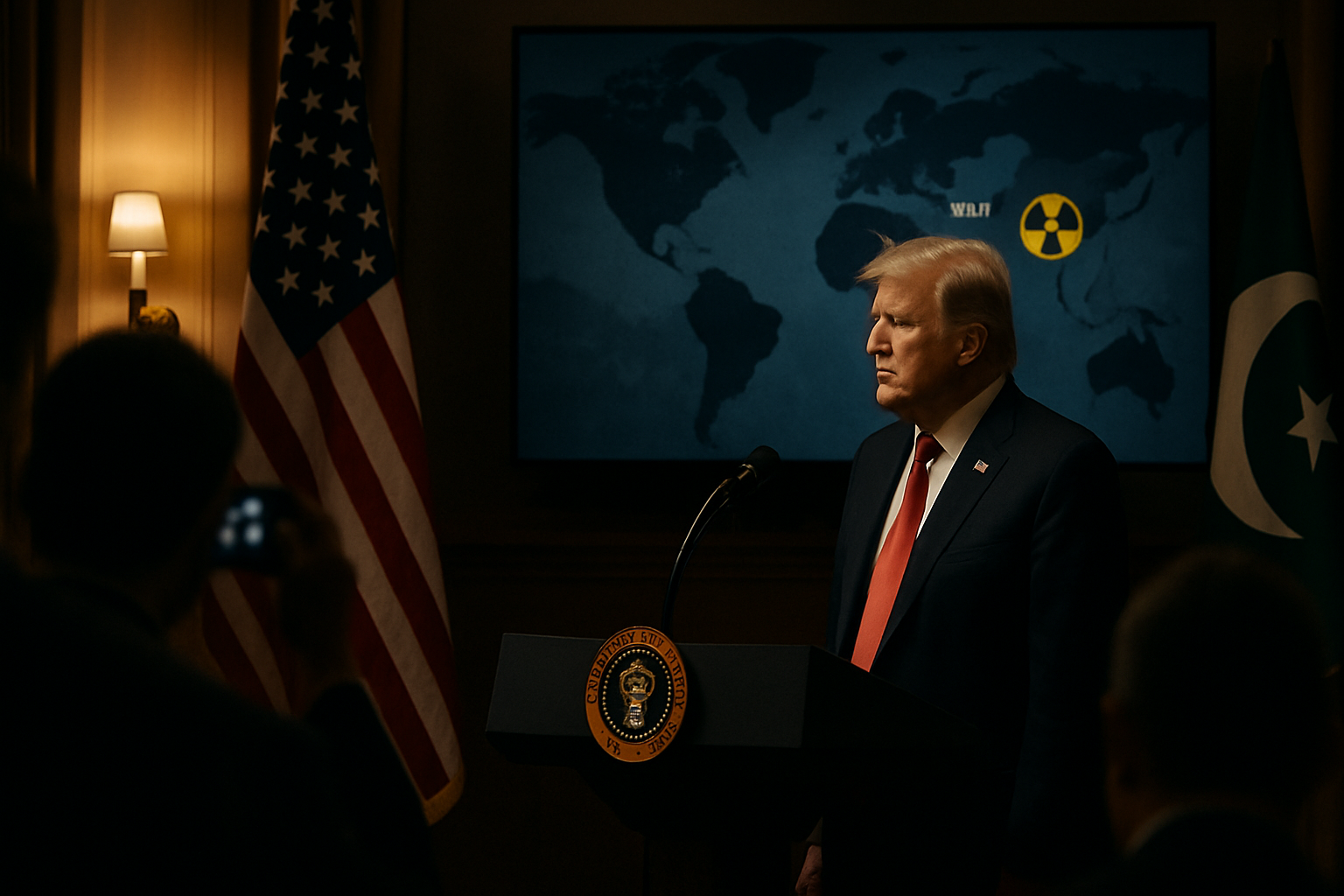
Trump Cancels US Delegation Trip to Islamabad, Cites Need for Firm Stance on Iran's Nuclear Program
In a significant shift in the ongoing nuclear negotiations with Iran, President Donald Trump has canceled a planned trip by U.S. delegates to Islamabad, Pakistan. The decision comes amidst complex diplomatic maneuvers and lingering tensions over Iran's uranium enrichment activities. The U.S. President has opted to conduct the second round of talks via phone calls, emphasizing a strategic approach to leverage over Tehran. Meanwhile, internal debates within Iran's leadership have surfaced, highlighting divergent views on diplomacy and nuclear policy.
Cancelation of Witkoff/Kushner Delegation Trip
Initially scheduled for an in-person negotiation session, the U.S. delegation led by Steven Witkoff and Jared Kushner was set to travel to Islamabad, where Pakistan is playing a mediating role in the ongoing discussions. However, President Trump has cited the long travel time and the need to maintain a firm U.S. position as reasons for canceling the trip. Instead, the President has proposed shifting the negotiations to telephonic discussions, a move that reflects his administration's emphasis on leveraging diplomatic power while maintaining flexibility.
A spokesperson for the Trump administration remarked,
"The President believes that the most effective negotiations are those where the United States can maintain its strong leverage. This decision allows us to continue discussions without compromising our strategic position."
Iran's Uranium Enrichment: A Sticking Point
At the heart of the negotiations is the contentious issue of Iran's uranium enrichment program. President Trump has demanded that Iran halt all uranium enrichment activities and surrender its existing stockpile, a condition that Tehran has outright rejected. Iranian officials have maintained their stance on the right to enrich uranium, a point that remains a significant barrier to reaching a comprehensive agreement.
Internal Iranian Debate: Ghalibaf vs. Vahidi
Within Iran, a public debate has emerged between key figures in the regime. Iranian Parliament Speaker Mohammad Bagher Ghalibaf has taken to state television to publicly defend the diplomatic process, advocating for continued engagement with international negotiators. In contrast, Commander Ahmad Vahidi of the Islamic Revolutionary Guard Corps (IRGC) has expressed opposition, emphasizing a more hardline approach.
Ghalibaf stated on national television,
"Diplomacy is not a sign of weakness but of strength. We must pursue every avenue to ensure the security and prosperity of our nation."Meanwhile, Vahidi has argued for a firm stance, potentially complicating Iran's internal consensus on how to proceed with the negotiations.
Ceasefire Extension: A Window for Diplomacy
President Trump's decision to extend the conditional U.S.-Iran ceasefire, which began on April 8, 2026, indicates an openness to allowing Tehran more time to present a unified proposal. This move underscores the administration's willingness to engage in diplomatic dialogue while maintaining strong demands for compliance with international nuclear standards.
The extended ceasefire provides an opportunity for both sides to find common ground, although the path forward remains fraught with challenges. As the situation develops, the world watches closely to see whether this strategic pause will lead to meaningful progress or further entrenchment of opposing positions.
Conclusion
President Trump's cancellation of the delegation trip to Islamabad marks a pivotal moment in the U.S.-Iran nuclear negotiations, emphasizing the administration's strategic approach to diplomacy. As Iran grapples with internal divisions and the international community observes from afar, the outcome of these talks will have profound implications for global security and regional stability. The extended ceasefire offers a glimmer of hope for a diplomatic resolution, but the road ahead remains uncertain.
About the Author
Aaron India explores how artificial intelligence reshapes what it means to be human — and what we must protect in the process.