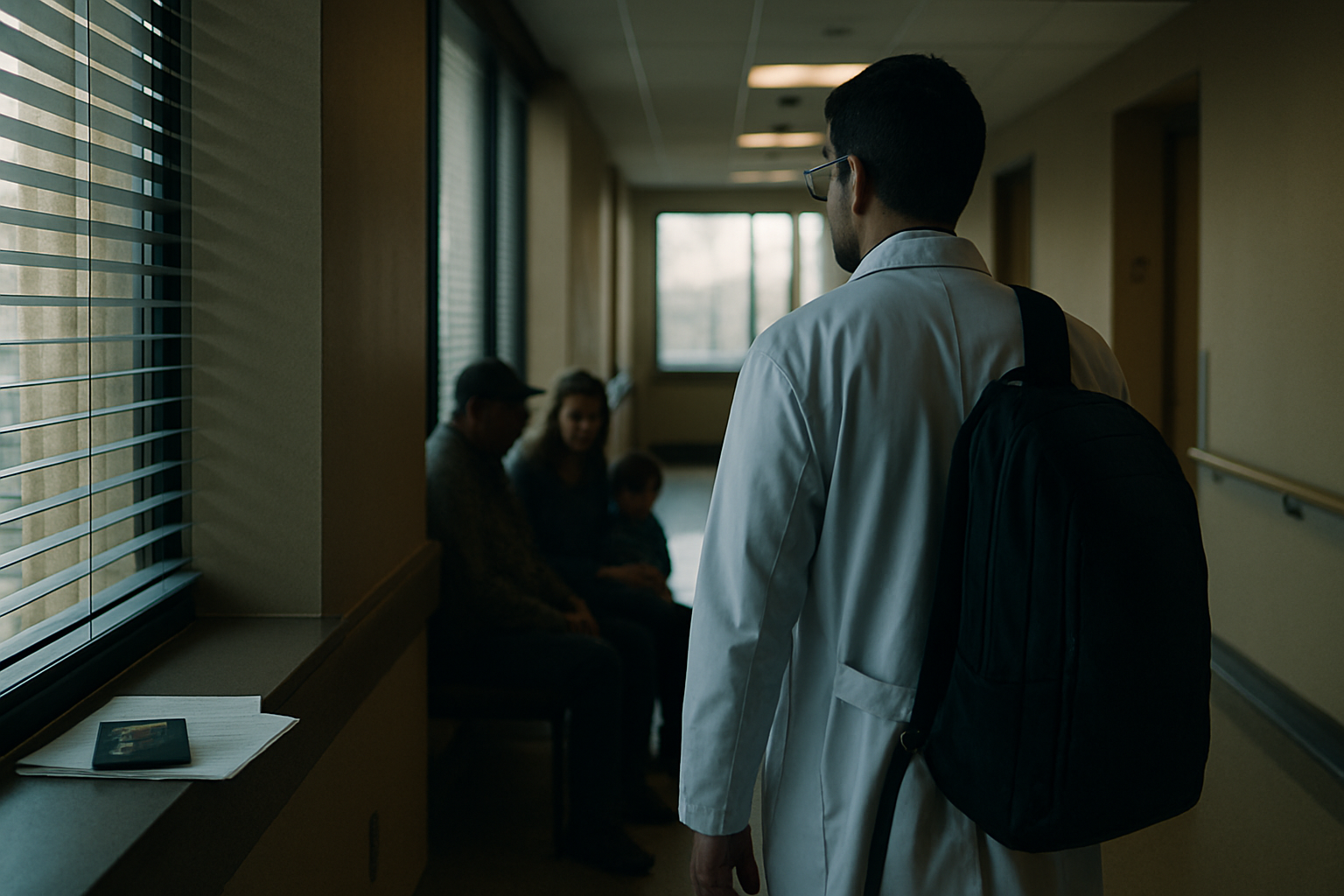
Visa Delays Force Foreign-Trained Doctors Out of US Hospitals: Rural Patients and Families Bear the Consequences
As the United States grapples with a shortage of healthcare professionals, particularly in rural and underserved areas, visa processing delays are exacerbating the crisis. These bureaucratic bottlenecks are pushing foreign-trained doctors, many of whom have completed their residency programs, out of US hospitals. The impact is felt most acutely by patients in rural communities who are losing vital access to medical care, while hospitals scramble to fill vacancies and families face separations due to stalled immigration processes.
The Growing Healthcare Crisis in Rural America
Rural communities across the United States have long struggled with healthcare access, and the situation is becoming more dire. According to the National Rural Health Association, rural areas have fewer than half the number of doctors per capita compared to urban centers. This shortage is compounded by the aging population, increasing the demand for medical services.
Foreign-trained doctors, many of whom enter the country on J-1 and H-1B visas, have traditionally filled these crucial roles. However, current delays in visa processing have left many hospitals in a bind. Dr. Maria Gonzalez, a recent residency graduate who was set to start in a rural New Mexico hospital, shared her frustration:
"The patients are the ones who suffer the most. I want to be there to help, but the system is making it impossible."
Impact on Patients and Families
For patients in these underserved regions, the lack of medical professionals means longer wait times, increased travel for care, and in some cases, delayed or foregone treatments. Families are particularly affected, as parents struggle to find timely care for their children and elderly relatives. Jane Thompson, a mother of three from rural Georgia, described the challenges her family faces:
"We used to have a doctor nearby, but now we have to travel over an hour just for a check-up. It's hard on the kids and our family routines."
The emotional toll is also significant. For many foreign-trained physicians, the visa delays not only impact their ability to work but also separate them from their families. Dr. Ahmed Khan, who is waiting for his H-1B visa renewal, expressed his distress:
"It's heartbreaking to be away from my family and not be able to serve the community that needs me."
Hospitals Scramble to Fill the Gaps
With the reduction in available doctors, hospitals in rural areas are struggling to maintain services. Administrators are resorting to hiring temporary staff or reducing clinic hours, neither of which is a sustainable solution. The financial strain on these institutions is compounded by the costs associated with recruiting and training new staff, often from outside the community.
Dr. Susan Lee, Chief of Staff at a rural hospital in Kansas, explained the challenges:
"We are committed to providing care to our community, but the bureaucratic hurdles are making it increasingly difficult to keep our doors open."
Conclusion: A Call for Action
As the healthcare system faces these unprecedented challenges, a renewed focus on streamlining visa processes is essential. Policymakers must consider the human impact of these delays and work towards solutions that can alleviate the strain on both healthcare providers and patients. By addressing these bottlenecks, the US can continue to benefit from the expertise of foreign-trained doctors while ensuring that rural and underserved communities receive the care they desperately need.
Ultimately, the resolution of this issue requires a concerted effort to uphold the principles of family unity, community well-being, and accessible healthcare for all. As Dr. Gonzalez aptly put it, "We are ready to serve; we just need the chance to do so."
About the Author
Social commentator specializing in traditional values and family structures. Andrew Innocent reflects on modern life through timeless principles — defending the family, tradition, and the moral foundations of a free society.