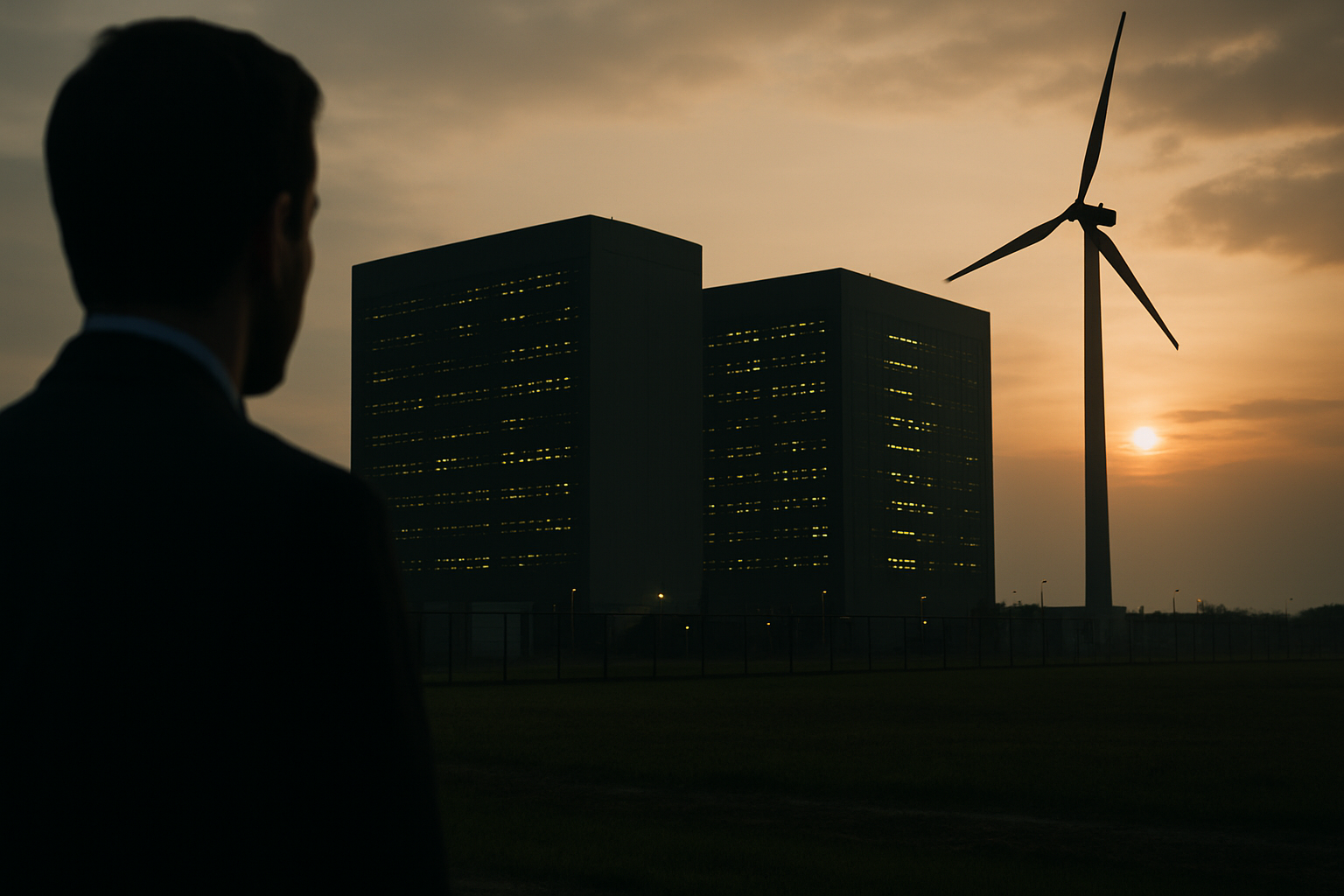
States Struggle with Clean Energy Goals as Data Centers Consume Increasing Power
As of April 2026, several U.S. states are falling behind in their ambitious clean energy targets, with data centers emerging as a significant culprit. The soaring demand for data processing and storage is putting pressure on the grid, making it increasingly difficult to meet renewable energy quotas. This issue is particularly acute in tech hubs like California and Virginia, where expansive data facilities are integral to the digital economy.
The Growing Energy Appetite of Data Centers
According to recent data from the U.S. Energy Information Administration, data centers now account for approximately 4% of the total electricity consumption across the United States. This figure is expected to climb as the digital economy expands. Data centers require a continuous power supply to manage the burgeoning amount of information generated from online activities, cloud computing, and Internet of Things (IoT) devices.
"Data centers are the backbone of the digital age, but their energy consumption is becoming unsustainable," said Dr. Emily Chen, an energy policy analyst with the Green Energy Institute.
Impact on State Clean Energy Goals
States such as California, which set a target to achieve 100% clean energy by 2045, are finding it increasingly challenging to balance the demand from data centers with their renewable energy initiatives. The increased electricity use by these facilities often necessitates reliance on non-renewable sources, particularly during peak demand periods.
- California's data centers alone consume nearly 5% of the state's electricity.
- Virginia, home to the largest concentration of data centers in the world, is experiencing similar challenges.
- States like Texas and New York are also reporting difficulties in maintaining their clean energy trajectories.
These states are now tasked with finding innovative solutions to integrate renewable energy sources into the power supply chain for data centers, without compromising the reliability and efficiency these facilities require.
Potential Solutions and Innovations
To address these challenges, several states are exploring partnerships with tech companies to invest in sustainable energy technologies. Companies like Google and Microsoft are leading initiatives to power data centers with renewable energy, setting an industry standard.
"We are committed to operating our data centers on 100% renewable energy by 2030," stated a spokesperson from Google, highlighting the tech giant's push towards sustainability.
Moreover, advancements in energy-efficient server technologies and data center cooling systems are being developed to reduce the overall power consumption. The adoption of artificial intelligence to optimize energy use within these centers is also gaining traction.
Conclusion: A Call for Collaborative Efforts
While data centers are indispensable to the modern economy, their growing energy demands pose a significant hurdle to achieving clean energy goals. States, tech companies, and policymakers must collaborate to develop and implement strategies that diminish the environmental footprint of these facilities. By embracing innovation and commitment to sustainable practices, it is possible to meet the dual objectives of supporting the digital economy and preserving the planet for future generations.
About the Author
Andrew Irwin, often addressed as A.I., is a seasoned technology writer who excels at making complex tech trends accessible to the mainstream audience. Starting his career in Silicon Valley, he has a unique understanding of the tech industry's culture, trends, and implications on the broader world.